Ultimate Slovenia Travel Guide (2026)
Slovenia may be one of Europe’s most underrated travel destinations, but those who visit quickly understand why so many travelers return again and again. Tucked between Italy, Austria, Croatia, and Hungary, this small country combines alpine mountains, turquoise rivers, charming towns, vineyards, caves, and a surprisingly beautiful coastline — all within driving distances that make travel incredibly easy.
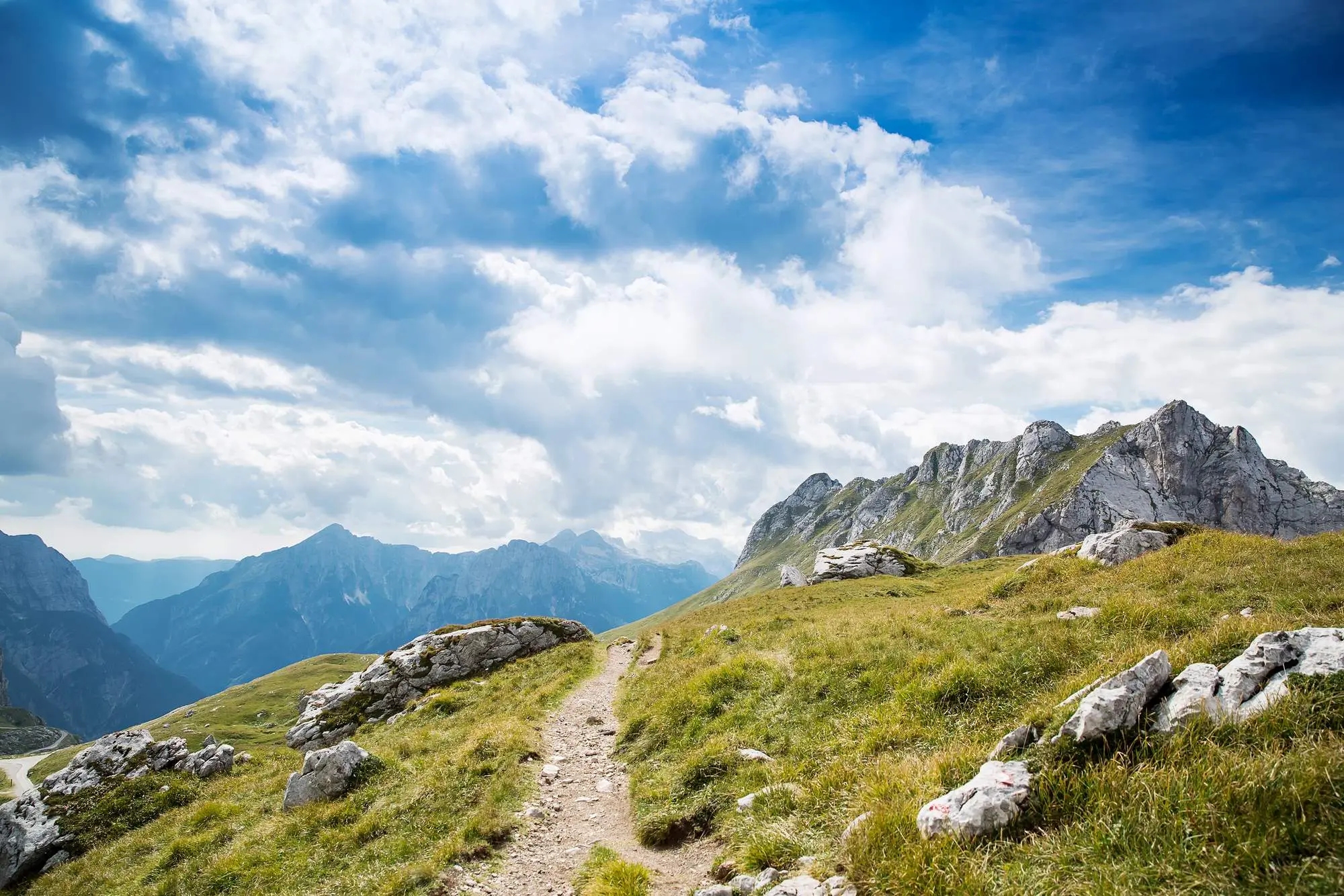
One day you can hike in the Julian Alps, swim in an emerald river, enjoy wine tasting in rolling vineyards, and finish with seafood by the Adriatic Sea. Few countries in Europe offer this much diversity in such a compact and accessible destination.

What makes Slovenia truly special is that it still feels authentic. While many European hotspots struggle with overtourism, Slovenia remains peaceful, clean, safe, and refreshingly relaxed. Travelers often describe it as a hidden gem that combines the best parts of Switzerland, Austria, Italy, and Croatia — but with fewer crowds and lower prices.
Whether you are planning your first Slovenia itinerary, a road trip through the Alps, a romantic vacation, or an outdoor adventure holiday, this ultimate Slovenia travel guide covers everything you need to know before visiting.
Why Visit Slovenia?
Slovenia offers an incredible mix of nature, culture, food, and adventure in one of Europe’s greenest countries. Despite its small size, the country feels surprisingly diverse. Within just a few hours, landscapes change dramatically from alpine peaks to Mediterranean coastlines and from wine regions to deep karst caves.

For travelers who enjoy outdoor activities, Slovenia is a paradise. Hiking, kayaking, rafting, cycling, skiing, canyoning, paddleboarding, and wild swimming are all easily accessible. At the same time, Slovenia also appeals to luxury travelers, food lovers, digital nomads, families, and couples looking for scenic escapes.

One of the biggest reasons travelers fall in love with Slovenia is the relaxed atmosphere. Unlike many busy tourist destinations, travel here feels calm and enjoyable. Roads are rarely heavily congested, cities are manageable, and even the most famous attractions still feel more authentic than overcrowded European hotspots.
Slovenia is also one of the safest countries in Europe. The infrastructure is excellent, English is widely spoken, and traveling around the country is simple even for first-time visitors.
Best Places to Visit in Slovenia
Ljubljana – Europe’s Most Underrated Capital
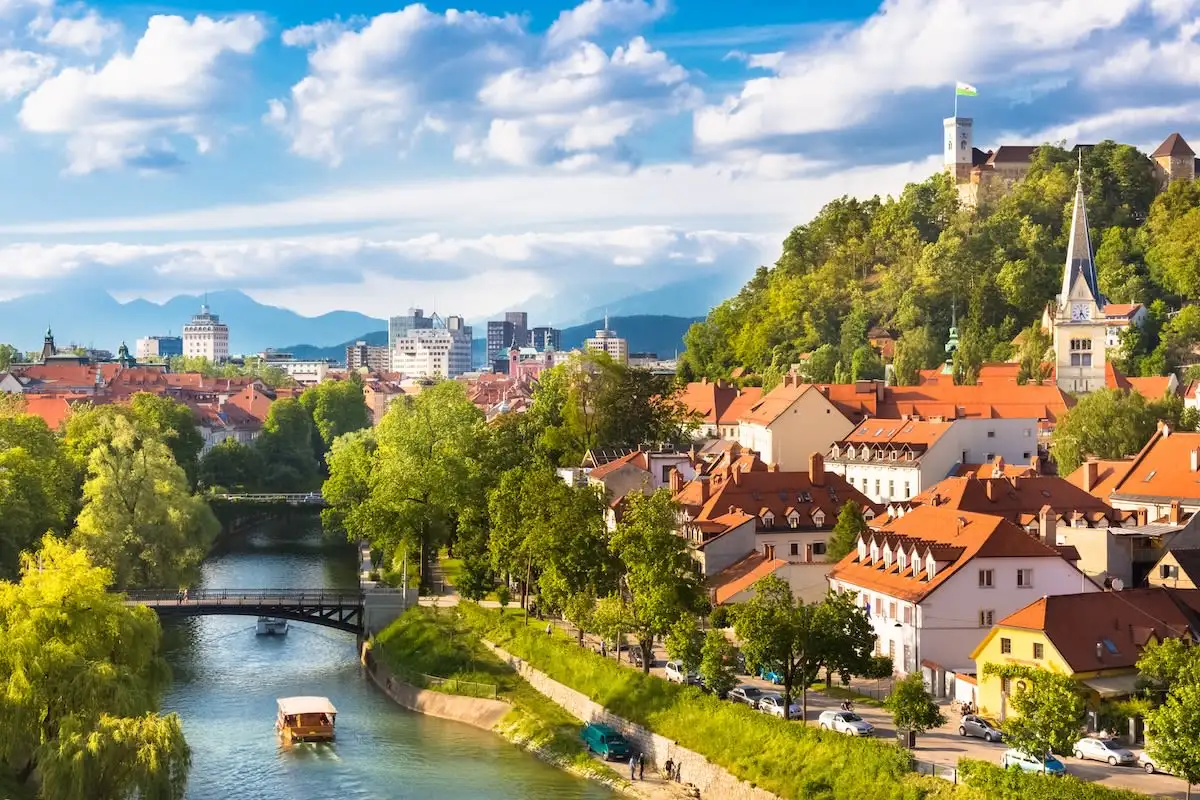
Ljubljana is one of Europe’s most charming capitals and often surprises visitors who arrive expecting a small city but discover a vibrant destination full of personality.
The city center is compact, pedestrian-friendly, and beautifully designed around the Ljubljanica River. Riverside cafés, bridges, colorful historic buildings, and outdoor terraces create a lively atmosphere throughout the year.
Unlike larger European capitals, Ljubljana feels relaxed and easy to explore. You can comfortably see most attractions on foot while still enjoying excellent restaurants, nightlife, culture, and green spaces.
Best Things to Do in Ljubljana
- Visit Ljubljana Castle
- Walk across Dragon Bridge
- Explore Central Market
- Take a boat ride on the river
- Enjoy sunset drinks by the waterfront
- Visit Metelkova alternative art district
- Explore Tivoli Park
Ljubljana also works perfectly as a base for day trips around Slovenia because almost every major destination is within two hours of the city.
Lake Bled – Slovenia’s Iconic Destination
No Slovenia travel guide would be complete without Lake Bled.
This famous alpine lake has become one of Europe’s most photographed destinations thanks to its emerald water, island church, dramatic mountain backdrop, and medieval castle perched high above the lake.
Despite its popularity, Lake Bled truly is worth visiting.
The best way to experience Bled is slowly. Walk around the lake early in the morning, row to the island, hike to one of the viewpoints, and enjoy the peaceful atmosphere before the crowds arrive.
Best Things to Do at Lake Bled
- Row to Bled Island
- Visit Bled Castle
- Hike to Ojstrica viewpoint
- Paddleboard on the lake
- Swim during summer
- Try the famous Bled cream cake
For many travelers, Bled becomes the highlight of their Slovenia vacation.
Lake Bohinj – Slovenia’s Wild Alpine Paradise
While Lake Bled attracts most international attention, many travelers end up preferring nearby Lake Bohinj.
Located inside Triglav National Park, Bohinj feels more natural, peaceful, and untouched. The scenery is breathtaking, with towering mountains surrounding Slovenia’s largest natural lake.
Bohinj is ideal for outdoor travelers and nature lovers. It’s a destination where people come to disconnect, hike, kayak, swim, and experience Slovenia’s alpine beauty without large crowds.
Top Experiences Around Bohinj
- Visit Savica Waterfall
- Take the Vogel Cable Car
- Swim in the lake
- Hike through Triglav National Park
- Go kayaking and paddleboarding
- Explore alpine villages nearby
If you are planning a Slovenia road trip, Bohinj deserves at least two nights.
Soča Valley – Slovenia’s Adventure Capital
The Soča Valley is one of the most spectacular regions in Slovenia and arguably one of Europe’s most beautiful river valleys.
The emerald-green Soča River flows through dramatic alpine scenery and attracts travelers from around the world.
The area is famous for:
- White water rafting
- Kayaking
- Hiking
- Fly fishing
- Ziplining
- Scenic drives
- Waterfalls
The towns of Bovec, Kobarid, and Tolmin are excellent bases for exploring the region.
One of the highlights is the drive through the valley itself. The roads wind past rivers, mountain peaks, suspension bridges, and hidden swimming spots that look almost unreal.
The Soča Valley is also rich in history, particularly from World War I, with several excellent museums and historical trails.
Piran – Slovenia’s Beautiful Coastal Town
Many travelers are surprised to discover that Slovenia also has a coastline.
Although short, the Slovenian coast is stunning, and the town of Piran is its jewel.
Piran feels heavily influenced by Venice, with narrow streets, colorful buildings, seafood restaurants, and beautiful Adriatic views. Walking through the old town at sunset is one of the most romantic experiences in Slovenia.
Best Things to Do in Piran
- Explore Tartini Square
- Walk the medieval walls
- Swim in the Adriatic Sea
- Enjoy fresh seafood
- Watch sunset from the coast
- Visit nearby Portorož and Fiesa
Piran is especially beautiful during late spring and early autumn when temperatures are warm but crowds are smaller.
Triglav National Park – Slovenia’s Outdoor Wonderland
Triglav National Park is the heart of Slovenia’s outdoor culture.
Named after Mount Triglav, Slovenia’s highest mountain, the park covers much of the Julian Alps and contains some of the country’s most spectacular natural scenery.
Here you’ll find:
- Alpine lakes
- Deep valleys
- Mountain huts
- Waterfalls
- Scenic hiking trails
- Crystal-clear rivers
Even travelers who are not serious hikers can enjoy the park through short walks, viewpoints, scenic roads, and cable cars.
For adventure travelers, this is one of the best places in Europe for hiking and mountain activities.
Hidden Gems in Slovenia
Velika Planina
Velika Planina is a stunning alpine plateau known for its traditional wooden shepherd huts and beautiful mountain scenery. During summer, cows graze freely across the meadows while hikers explore scenic trails overlooking the Kamnik-Savinja Alps.
It feels like stepping into another world.

Logar Valley
Logar Valley is one of the most beautiful alpine valleys in Europe, yet it remains relatively unknown outside Slovenia.
The valley offers:
- Incredible mountain views
- Scenic cycling
- Waterfalls
- Luxury countryside stays
- Peaceful hiking trails
For travelers seeking quiet nature escapes, this is one of Slovenia’s hidden treasures.

Vipava Valley
Vipava Valley is Slovenia’s underrated wine destination.
Rolling vineyards, boutique wineries, charming villages, and incredible local cuisine make it ideal for slow travel. The region is particularly attractive for couples and food-focused travelers looking to avoid crowded tourist areas.

Goriška Brda
Often called “Slovenia’s Tuscany,” Goriška Brda is famous for:
- Wine tasting
- Hilltop villages
- Scenic drives
- Olive groves
- Boutique accommodations
The sunsets here are spectacular.
The Perfect 7-Day Slovenia Itinerary
Day 1 – Ljubljana
Arrive in Ljubljana and spend the day exploring the Old Town, riverfront, and Ljubljana Castle. Enjoy dinner by the Ljubljanica River and experience the city’s relaxed atmosphere.
Day 2 – Lake Bled & Bohinj
Drive to Lake Bled early in the morning. Visit Bled Castle, row to the island, and hike to a viewpoint before continuing to Bohinj for a more peaceful alpine experience.
Stay overnight near Bohinj.
Day 3 – Triglav National Park
Spend the day exploring Triglav National Park. Visit Savica Waterfall, ride the Vogel Cable Car, and enjoy hiking or lake activities.
Day 4 – Soča Valley
Drive through the mountains into the Soča Valley. Stop at scenic viewpoints along the way and enjoy rafting, hiking, or waterfall exploration.
Stay overnight in Bovec.

Day 5 – Vršič Pass & Kranjska Gora
Drive across the famous Vršič Pass, one of the most scenic mountain roads in Europe. Continue toward Kranjska Gora and Lake Jasna.
Day 6 – Piran & Slovenian Coast
Head toward the coast and spend the day exploring Piran. Enjoy seafood, Adriatic sunsets, and a slower Mediterranean atmosphere.
Day 7 – Postojna Cave or Škocjan Caves
Before returning to Ljubljana, visit one of Slovenia’s famous cave systems.
Postojna Cave is more tourist-friendly and family-oriented, while Škocjan Caves offer a more dramatic natural experience and UNESCO protection.
Slovenia Travel Costs
Compared to neighboring Austria or Italy, Slovenia remains relatively affordable.
A mid-range traveler can comfortably enjoy Slovenia without spending excessively, especially outside peak summer months.
Average Daily Budgets
- Backpackers: €50–80
- Mid-range travelers: €120–220
- Luxury travelers: €300+
Typical Costs
- Coffee: €2–4
- Restaurant meal: €12–25
- Mid-range hotel: €120–220
- Car rental: €35–80 per day
Luxury boutique accommodations and glamping resorts are becoming increasingly popular in Slovenia, especially around Lake Bled, wine regions, and alpine destinations.
How to Get Around Slovenia
Renting a Car
The best way to explore Slovenia is by car.
Although public transport exists, many of Slovenia’s best places are easier to access by driving. Having a car allows you to:
- Discover hidden gems
- Stop at viewpoints
- Explore alpine regions
- Travel more efficiently
Road conditions are generally excellent.
If you plan to use highways, remember that Slovenia requires a vignette system for toll roads.
Campervan Travel in Slovenia
Slovenia is one of Europe’s best campervan destinations.
The country’s compact size, scenic roads, and outdoor lifestyle make it ideal for camper travel.
Popular Campervan Regions
- Soča Valley
- Bohinj
- Kranjska Gora
- Piran coast
- Vipava Valley
Wild camping rules should always be respected, and official campsites are widely available.
Best Time to Visit Slovenia

Summer (June to September)
Summer is the most popular season for:
- Hiking
- Lakes
- Outdoor activities
- Road trips
- Coastal travel
July and August are warmest but also busiest.

Spring (April to May)
Spring is one of the best times to visit Slovenia.
Nature becomes incredibly green, waterfalls are powerful, temperatures are pleasant, and tourist crowds remain low.

Autumn (September to October)
Autumn is perfect for:
- Wine tasting
- Scenic drives
- Hiking
- Photography
September is often considered the ideal month to visit Slovenia.

Winter (December to March)
Winter transforms Slovenia into a snowy alpine destination.
The country offers:
- Ski resorts
- Christmas markets
- Wellness retreats
- Cozy mountain stays
Lake Bled during winter can feel magical.
9 Essential Slovenia Travel Tips
1. Don’t Rush Your Slovenia Itinerary
One of the biggest mistakes travelers make is trying to see the entire country too quickly. Slovenia may look small on the map, but there is far more to explore than most visitors expect.
Instead of constantly changing hotels, spend at least 2–3 nights in key regions like Ljubljana, Lake Bohinj, or the Soča Valley. Slovenia is best experienced slowly.
2. Explore Beyond Lake Bled
Lake Bled is beautiful, but Slovenia has many other incredible destinations that deserve attention.
Some of the country’s most rewarding places include:
- Lake Bohinj
- Soča Valley
- Vipava Valley
- Goriška Brda
- Logar Valley
- Kranjska Gora
Travelers who venture beyond Bled often discover the most authentic side of Slovenia.
3. Rent a Car for Maximum Flexibility
While public transport works reasonably well between larger towns, many of Slovenia’s best natural attractions are much easier to reach by car.
A rental car allows you to:
- Visit hidden gems
- Stop at scenic viewpoints
- Explore mountain regions
- Enjoy spontaneous detours
Slovenia is one of Europe’s best road trip destinations thanks to its short driving distances and beautiful scenery.
4. Pack Layers in Every Season
Weather in Slovenia can change quickly, especially in alpine regions.
Even during summer, mornings and evenings in places like Bohinj, Bovec, or Kranjska Gora can feel surprisingly cold. Mountain storms can also appear suddenly.
Always bring:
- A light waterproof jacket
- Warmer layers
- Good walking shoes
5. Wake Up Early at Popular Attractions
Places like Lake Bled and Piran become much busier during the middle of the day, especially in summer.
Early mornings offer:
- Better lighting for photos
- Fewer crowds
- Easier parking
- A more peaceful atmosphere
Sunrise around Lake Bled is especially beautiful.
6. Try Local Slovenian Food & Wine
Many travelers underestimate Slovenia’s food scene.
Traditional dishes and local wines are a huge part of the experience. Make time to visit family-run restaurants, mountain huts, and local wineries.
Some must-try foods include:
- Štruklji
- Kranjska klobasa
- Idrija žlikrofi
- Fresh Soča trout
- Bled cream cake
Slovenian wines are also excellent and still relatively undiscovered internationally.
7. Use an eSIM for Easy Connectivity
Mobile coverage in Slovenia is excellent, even in many mountain regions.
Using an eSIM is often the easiest and cheapest solution for travelers who need:
- Navigation
- Internet access during road trips
- Remote work connectivity
- Easy cross-border travel around Europe
This is especially useful if your Slovenia trip includes Italy, Austria, or Croatia.
8. Respect Nature and Sustainability
Slovenia is one of Europe’s greenest countries and locals take sustainability seriously.
Help preserve Slovenia’s natural beauty by:
- Staying on marked trails
- Avoiding littering
- Respecting wild camping rules
- Using reusable water bottles
- Supporting local businesses
Tap water throughout Slovenia is extremely clean and safe to drink.
9. Visit During Shoulder Season for the Best Experience
Although Slovenia is beautiful year-round, late spring and early autumn are often the best times to visit.
May, June, September, and early October usually offer:
- Pleasant weather
- Smaller crowds
- Lower accommodation prices
- Beautiful landscapes
- Better road trip conditions
September is especially perfect for hiking, wine tasting, and scenic drives.
Food & Wine in Slovenia
Slovenian cuisine is one of Europe’s hidden culinary gems. Thanks to its location between Italy, Austria, Hungary, and Croatia, Slovenian food combines alpine, Mediterranean, Balkan, and Central European influences while still maintaining a strong local identity.
Food culture in Slovenia focuses heavily on:
- Fresh local ingredients
- Seasonal dishes
- Homemade products
- Traditional family recipes
- Regional specialties
From mountain huts in the Alps to seafood restaurants on the coast and vineyard estates in wine regions, food is an important part of the travel experience throughout the country.
Traditional Dishes to Try

Kranjska Klobasa
Slovenia’s famous Carniolan sausage, traditionally served with mustard, horseradish, and bread.

Štruklji
Rolled dumplings filled with various ingredients such as cottage cheese, walnuts, or tarragon. One of Slovenia’s most iconic traditional dishes.
Jota
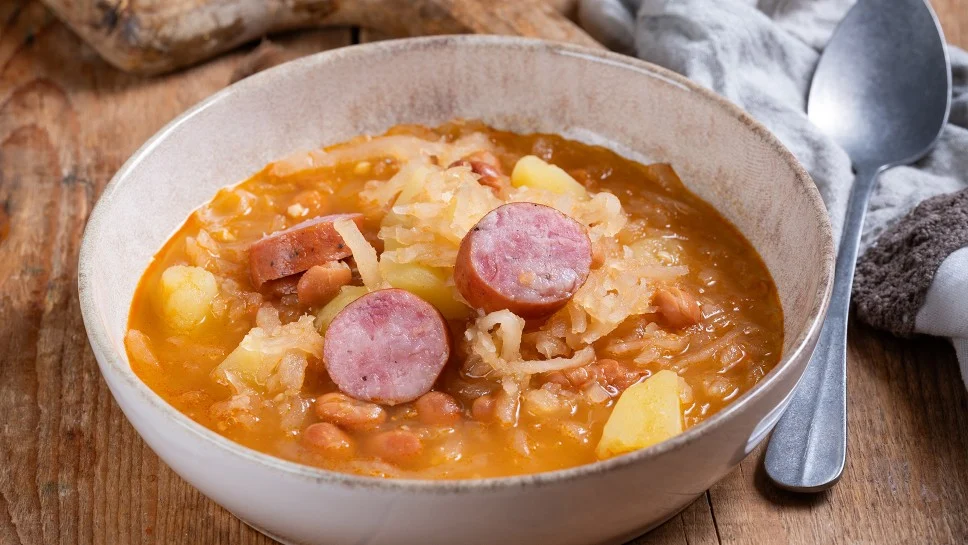
A hearty stew made with sauerkraut, beans, potatoes, and smoked meat, especially popular during colder months.

Idrija Žlikrofi
Traditional dumplings from the Idrija region, usually filled with potatoes and served with meat sauce.
Fresh Soča Trout
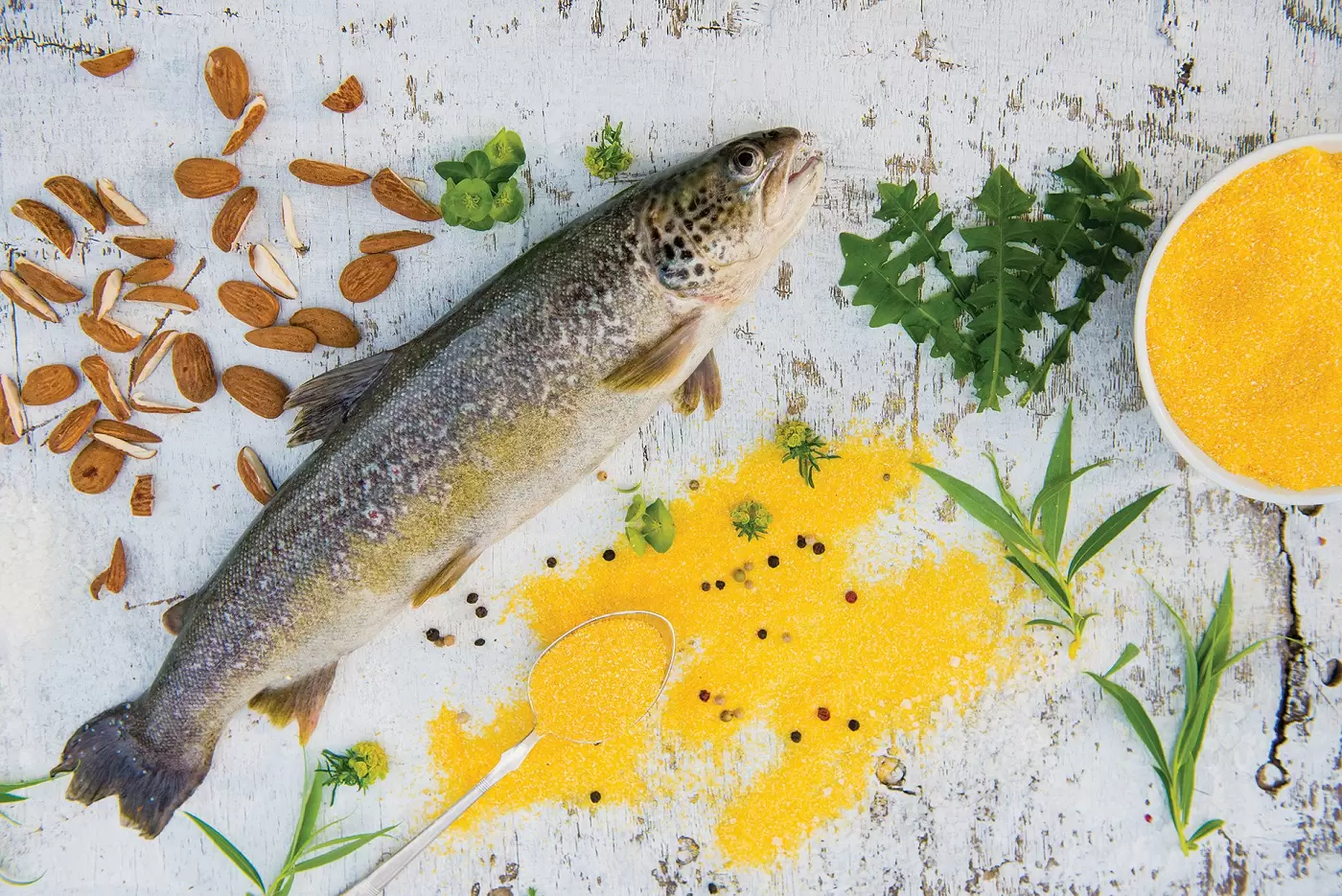
Locally sourced trout from Slovenia’s crystal-clear alpine rivers, especially popular in the Soča Valley.

Bled Cream Cake
The country’s most famous dessert, best enjoyed while overlooking Lake Bled.
Slovenia’s Wine Scene
Slovenia is becoming increasingly recognized as one of Europe’s most underrated wine destinations.
Despite its small size, the country has a long winemaking tradition and produces excellent white, red, and orange wines. Many wineries remain family-owned, making wine tasting experiences feel authentic, relaxed, and personal compared to larger wine regions in Europe.
Best Wine Regions
Goriška Brda
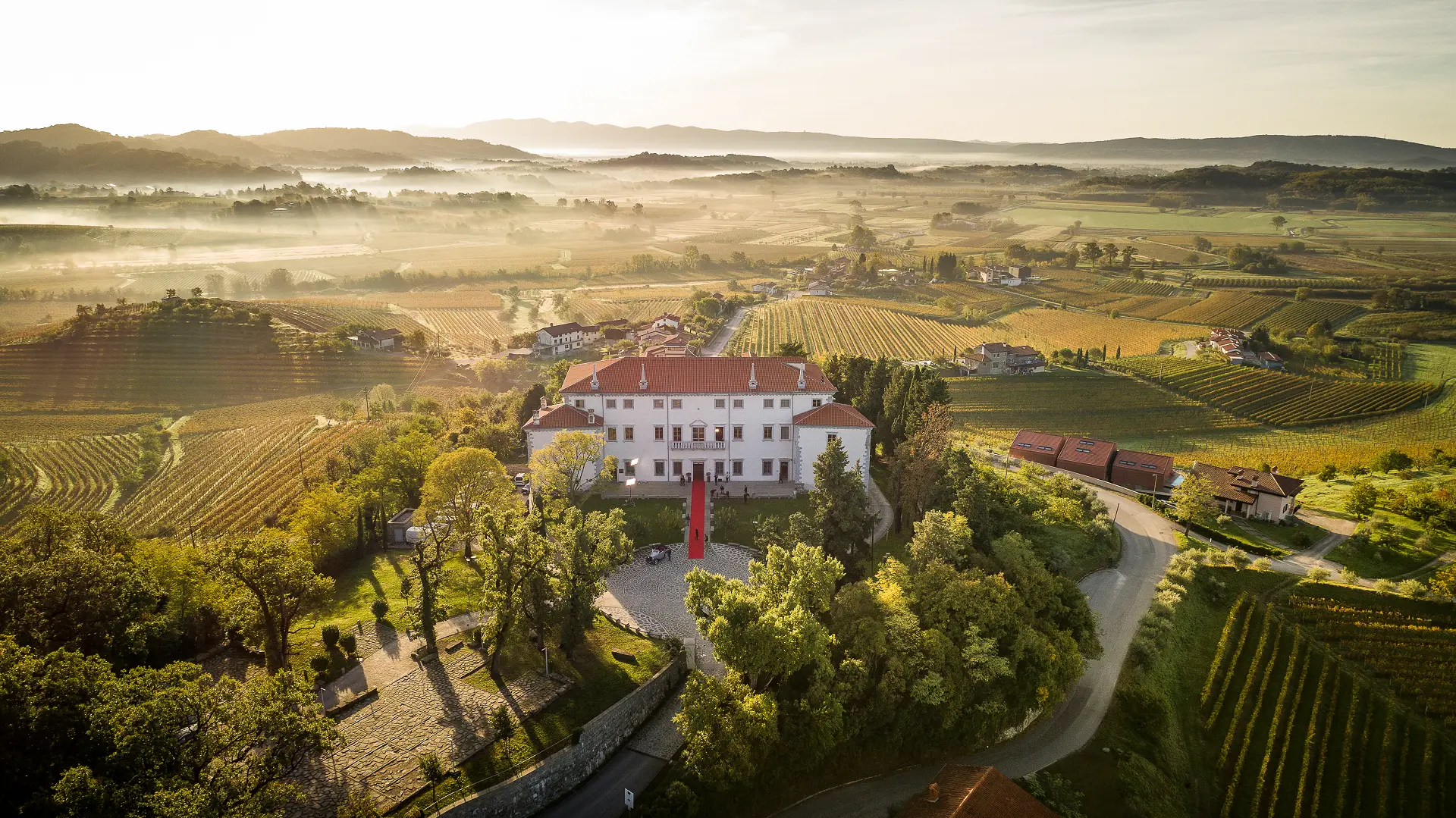
Often called “Slovenia’s Tuscany,” this rolling vineyard region near the Italian border is famous for premium wines and stunning landscapes.

Vipava Valley
Known for boutique wineries, beautiful scenery, and excellent white wines. Ideal for slow travel and wine-focused road trips.
Štajerska
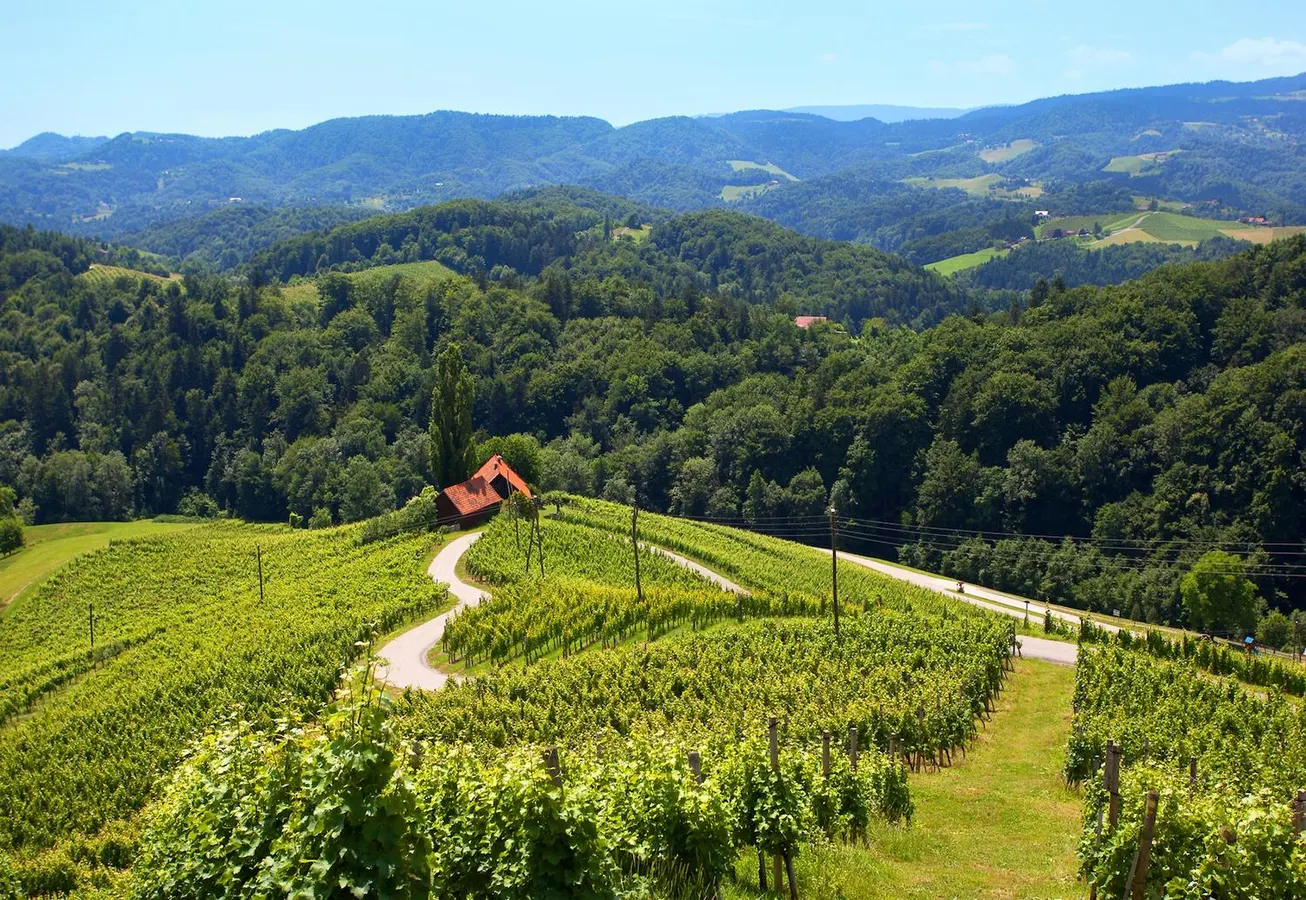
Located in eastern Slovenia, this region is known for fresh white wines, vineyard hills, and traditional wine culture.
Wine tourism in Slovenia still feels authentic and uncrowded, making it perfect for travelers looking for a more local and intimate experience.
Frequently Asked Questions
Absolutely. Slovenia offers stunning alpine scenery, charming cities, excellent food, outdoor adventures, and far fewer crowds than many neighboring European destinations.
A 7 to 10-day trip is ideal for a first visit. This gives you enough time to combine Ljubljana, Lake Bled, Triglav National Park, Soča Valley, and the coast.
Slovenia is moderately priced. It is generally cheaper than Austria or Switzerland but slightly more expensive than some Balkan countries.
September is often considered the best month to visit Slovenia because the weather is still warm, nature is beautiful, and crowds are smaller.
While public transport exists, renting a car is highly recommended if you want to explore nature, mountain regions, and hidden gems efficiently.
Final Thoughts
Slovenia is one of those destinations that exceeds expectations.
Travelers arrive expecting beautiful lakes and mountains but leave discovering a country filled with incredible diversity, authentic experiences, outstanding nature, and warm hospitality.
Whether you are looking for:
- A romantic getaway
- An outdoor adventure
- A scenic road trip
- A luxury boutique escape
- A campervan holiday
- A peaceful European destination
Slovenia offers all of it in one remarkably compact country.
And once you experience Slovenia for the first time, there is a good chance it won’t be your last visit.


