Triglav National Park Travel Guide: Slovenia’s Alpine Paradise
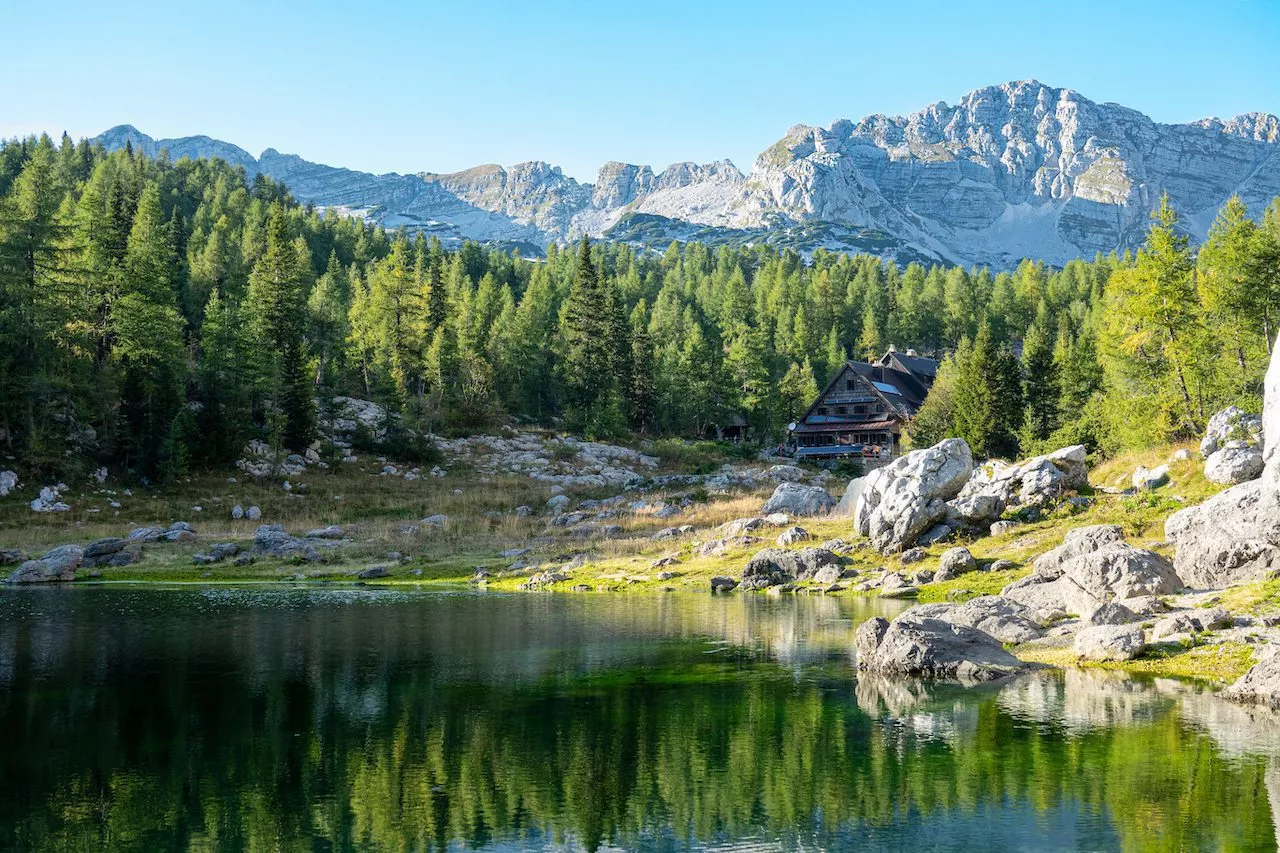
Triglav National Park is the wild heart of Slovenia. Set in the Julian Alps, it is a place of turquoise rivers, glacial valleys, high mountain passes, peaceful alpine villages, dramatic waterfalls, and some of the most beautiful hiking trails in Europe.
This is Slovenia’s only national park, named after Mount Triglav, the country’s highest and most symbolic mountain. The park protects an extraordinary alpine landscape where nature, traditional mountain culture, and outdoor adventure come together.
For many visitors, Triglav National Park is the highlight of a trip to Slovenia. You can swim in Lake Bohinj, hike through the Soča Valley, drive over Vršič Pass, visit waterfalls, walk through gorges, explore mountain pastures, or simply enjoy the silence of the Julian Alps.
It is also one of the best places in Slovenia for slow travel. The park rewards visitors who stay longer, travel respectfully, use public transport where possible, and choose experiences that help preserve this fragile alpine environment.
Why Visit Triglav National Park?
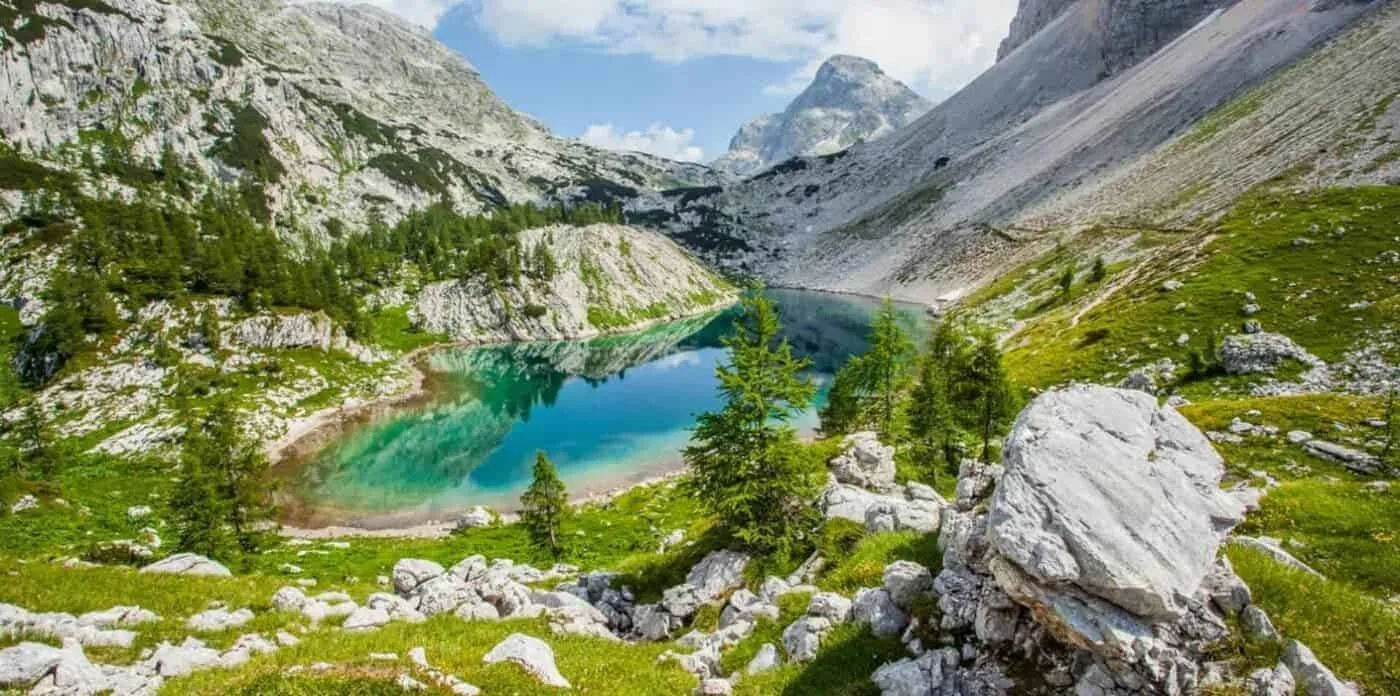
Triglav National Park is not just another mountain destination. It is the most iconic natural area in Slovenia and one of the best places in Europe for travelers who love dramatic landscapes without the crowds of the Alps’ bigger-name destinations.
You should visit Triglav National Park if you want:
- Alpine lakes with crystal-clear water
- Scenic hiking trails for every fitness level
- Waterfalls, gorges, rivers, and mountain valleys
- Outdoor adventures such as rafting, canyoning, kayaking, cycling, and climbing
- Beautiful road trip routes through the Julian Alps
- Traditional alpine villages and mountain huts
- A quieter alternative to overvisited European mountain resorts
- Easy access from Ljubljana, Lake Bled, Lake Bohinj, Kranjska Gora, and the Soča Valley
The park is especially attractive because it offers both easy sightseeing and serious outdoor adventure. You do not need to be an experienced mountaineer to enjoy it, but if you are, you will find some of Slovenia’s most rewarding alpine routes here.
Quick Overview of Triglav National Park
| Feature | Details |
|---|---|
Region | Julian Alps |
Main base areas | Lake Bohinj, Bled, Kranjska Gora, Bovec, Kobarid, Mojstrana |
Best for | Hiking, lakes, waterfalls, rafting, road trips, nature, photography |
Best time to visit | June to September for hiking, May and October for fewer crowds |
Main highlights | Lake Bohinj, Soča River, Vršič Pass, Vrata Valley, Peričnik Waterfall, Vintgar Gorge, Savica Waterfall |
Ideal stay | 2–5 days |
Good for families | Yes, especially Bohinj, Vintgar Gorge, easy waterfalls, and lake walks |

Where Is Triglav National Park?
Triglav National Park is located in northwestern Slovenia, close to the borders with Italy and Austria. It covers a large part of the Julian Alps and includes some of Slovenia’s most famous natural areas, such as Lake Bohinj, the Soča Valley, Vršič Pass, Vrata Valley, Pokljuka Plateau, and the area around Mount Triglav.
The park can be accessed from several popular destinations:
- From Ljubljana: around 1–2.5 hours depending on your base
- From Lake Bled: around 15–45 minutes to nearby park areas
- From Lake Bohinj: directly inside or beside the park area
- From Kranjska Gora: excellent access to Vršič Pass, Zelenci, Jasna Lake, and Vrata Valley
- From Bovec: best base for Soča River adventures
- From Kobarid: great for history, waterfalls, hiking, and food
Because the park is large and mountainous, travel times can be longer than they look on a map. Roads are scenic but often winding, especially around Vršič Pass and the Soča Valley.
Best Things to Do in Triglav National Park

Visit Lake Bohinj
Lake Bohinj is one of the most beautiful places in Slovenia and one of the best starting points for exploring Triglav National Park. It is larger, wilder, and usually quieter than Lake Bled, with a more natural alpine atmosphere.
The lake is surrounded by forested slopes and mountain peaks, making it ideal for swimming, walking, kayaking, paddleboarding, cycling, photography, and slow lakeside days.
Popular things to do around Lake Bohinj include:
- Walk along the lake shore
- Swim in summer
- Rent a kayak or paddleboard
- Visit the Church of St. John the Baptist
- Take the cable car to Vogel
- Hike to Savica Waterfall
- Explore nearby villages such as Stara Fužina and Ribčev Laz
Lake Bohinj is one of the best places to stay if you want a peaceful, nature-focused holiday in Slovenia.
Travel tip: Stay at least one night in Bohinj if you can. Day-trippers often leave by late afternoon, and the lake becomes much more peaceful in the evening.
Drive or Cycle Over Vršič Pass
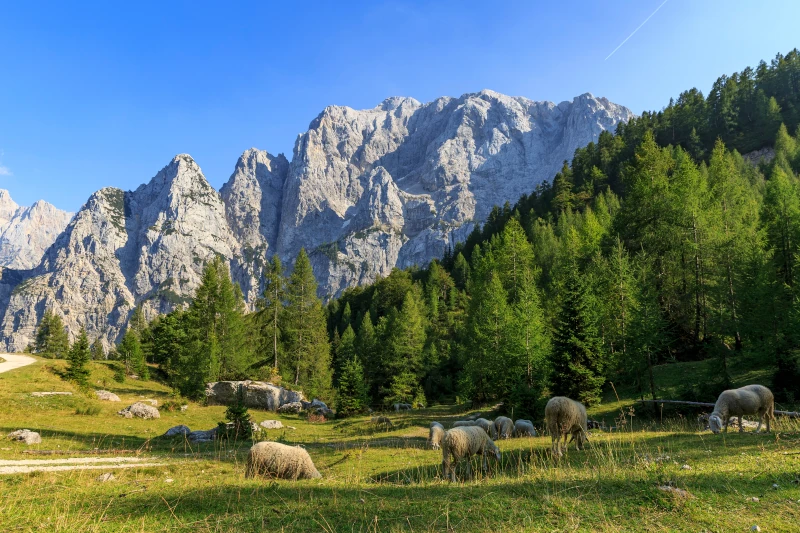
Vršič Pass is one of the most spectacular mountain roads in Slovenia. It connects Kranjska Gora with the Soča Valley and offers dramatic views of the Julian Alps.
The road is famous for its sharp hairpin bends, alpine scenery, and easy access to viewpoints and hiking trails. It is one of the classic Slovenia road trip routes and a must-do if you are exploring Triglav National Park by car, motorhome, motorcycle, or bike.
Highlights along or near Vršič Pass include:
- Russian Chapel
- Ajdovska Deklica viewpoint
- Mountain huts
- Alpine meadows
- Views toward Prisank and surrounding peaks
- Descent into the Soča Valley
Travel tip: In summer, start early. Parking near the top can fill quickly, and the road becomes busy with cars, cyclists, motorhomes, and motorcycles.

Explore the Soča Valley
The Soča Valley is one of the most breathtaking areas of Triglav National Park. The Soča River is famous for its vivid turquoise color, making it one of the most photographed rivers in Europe.
This area is perfect for active travelers. You can go rafting, kayaking, canyoning, hiking, ziplining, swimming in natural pools, or simply follow the river by car or bike.
Top places in and around the Soča Valley include:
- Bovec
- Kobarid
- Tolmin
- Great Soča Gorge
- Small Soča Gorge
- Kozjak Waterfall
- Boka Waterfall
- Tolmin Gorges
- Kobarid Historical Trail
The Soča Valley is also a great place for travelers interested in World War I history, local food, and outdoor adventure.
Travel tip: Bovec is best for adrenaline activities, Kobarid is best for food and history, and Tolmin is a good choice for a slightly quieter base.

Walk Through Vintgar Gorge
Vintgar Gorge is one of the most popular natural attractions near Triglav National Park and is often visited from Lake Bled. The gorge was carved by the Radovna River and features wooden walkways, steep rock walls, pools, rapids, and the Šum Waterfall. The official park information describes the gorge as 1,600 metres long, with steep walls reaching 50–100 metres.
It is an easy and very scenic walk, making it suitable for many visitors, including families. Because of its popularity, it is best to visit early in the morning or outside peak summer hours.
Travel tip: Book your ticket in advance during high season and arrive early. Vintgar is beautiful, but it can feel crowded in July and August.

Visit Peričnik Waterfall
Peričnik Waterfall is one of the most impressive waterfalls in Slovenia. It is located in the Vrata Valley near Mojstrana and is famous because you can walk behind the falling water.
The waterfall is especially beautiful after rain, in spring, and in winter when parts of it may freeze into dramatic ice formations. The short trail to the main waterfall is relatively quick but can be slippery, so good shoes are recommended.
Peričnik is a perfect stop if you are exploring Mojstrana, Vrata Valley, or hiking routes toward Mount Triglav.
Travel tip: Bring a light rain jacket or waterproof layer if you walk behind the waterfall. You will likely get sprayed.

Explore Vrata Valley
Vrata Valley is one of the most dramatic alpine valleys in Slovenia. It is a classic gateway to Mount Triglav and a favorite area for hikers, photographers, and mountain lovers.
The valley road starts near Mojstrana and leads deep into the Julian Alps. Along the way, you can visit Peričnik Waterfall and continue toward Aljažev Dom, one of the main starting points for demanding routes to Triglav.
Even if you are not hiking to the summit, Vrata Valley is worth visiting for its scenery alone. The towering north face of Triglav creates one of the most powerful mountain views in Slovenia.
Travel tip: Parking and road access rules can change seasonally. In busy periods, use shuttle options where available and check current local information before driving deep into the valley.

Take the Vogel Cable Car
The Vogel cable car above Lake Bohinj is one of the easiest ways to enjoy high mountain views without a long hike. From the top, you get panoramic views over Lake Bohinj and the surrounding Julian Alps.
In summer, Vogel is popular for hiking, photography, and mountain views. In winter, it becomes one of Slovenia’s most scenic ski areas.
This is a great option for families, couples, and travelers who want alpine views but do not want a demanding mountain climb.
Travel tip: Go on a clear morning for the best visibility. Afternoon clouds can sometimes build around the peaks.

Hike the Soča Trail
The Soča Trail is one of the most beautiful walking routes in Triglav National Park. It follows sections of the Soča River and connects peaceful forest paths, suspension bridges, river viewpoints, and alpine scenery.
You do not need to walk the entire trail to enjoy it. Many visitors choose shorter sections near Bovec, Trenta, or the Great Soča Gorge.
The trail is ideal if you want a less technical hike focused on scenery rather than altitude.

Visit Savica Waterfall
Savica Waterfall is one of the best-known waterfalls in Slovenia and a classic side trip from Lake Bohinj. It is reached by a stepped forest trail and offers a beautiful view of the waterfall dropping through a rocky opening into a pool below.
The hike is short but uphill, so it requires a moderate level of fitness. It is a good half-day activity when staying near Bohinj.
Travel tip: Combine Savica Waterfall with Lake Bohinj and Vogel for a full day around Bohinj.

Discover Pokljuka Plateau
Pokljuka Plateau is a peaceful forested plateau between Bled and Bohinj. It is known for spruce forests, mountain pastures, traditional shepherd huts, hiking trails, cycling routes, and cross-country skiing in winter.
It is also a good starting point for hikes toward higher mountain areas and some Triglav routes.
Pokljuka is ideal if you want to escape crowds and experience a quieter alpine landscape.

Climb Mount Triglav
Mount Triglav is Slovenia’s highest mountain and a national symbol. Climbing it is a major goal for many Slovenes and experienced hikers visiting the country.
However, Triglav is not a casual hike. Most routes are long, exposed, and technically demanding, with sections of via ferrata-style climbing. You need proper equipment, mountain experience, good weather, and ideally a licensed guide if you are not confident in alpine terrain.
Most hikers climb Triglav over two days, sleeping in a mountain hut such as Triglavski dom na Kredarici or another hut depending on the route.
Important: Do not attempt Triglav in bad weather, without proper gear, or without understanding the difficulty of the route. For most visitors, there are many easier and safer hikes in the park that still offer spectacular views.
Best Hikes in Triglav National Park
Triglav National Park is one of the best hiking destinations in Slovenia, with trails ranging from gentle lakeside walks to demanding alpine routes. You do not need to climb Mount Triglav to enjoy the park. Many of the most beautiful experiences are found on easier trails through valleys, gorges, forests, mountain pastures, and river paths.
Before hiking, always check the weather, wear proper shoes, and choose a route that matches your fitness level. Conditions in the Julian Alps can change quickly, especially at higher elevations.
Easy Hikes
These hikes are suitable for most visitors, including families, casual walkers, and travelers who want beautiful scenery without a difficult climb.
| Hike | Area | Best For |
|---|---|---|
Lake Bohinj lakeside walk | Bohinj | Easy scenery, families, photography |
Vintgar Gorge | Near Bled | Short gorge walk |
Peričnik Waterfall | Vrata Valley | Waterfall lovers |
Short Soča River sections | Soča Valley | Turquoise river views |
Zelenci Nature Reserve | Near Kranjska Gora | Easy nature walk |
The Lake Bohinj lakeside walk is one of the most relaxing ways to experience the park. You can walk only a short section or spend more time following the peaceful shoreline, stopping for photos, swimming spots, or a lakeside picnic.
Vintgar Gorge is a great choice if you want dramatic scenery with minimal effort. Wooden walkways lead through a narrow gorge with emerald water, waterfalls, and steep rock walls. It is very popular, so visiting early is recommended.
Peričnik Waterfall is short but rewarding. The trail climbs through the forest to one of Slovenia’s most impressive waterfalls, where you can even walk behind the falling water.
Moderate Hikes
Moderate hikes are ideal for travelers who want a more active outdoor experience but do not want a highly technical mountain route.
| Hike | Area | Best For |
|---|---|---|
Savica Waterfall | Bohinj | Short uphill waterfall hike |
Mostnica Gorge | Stara Fužina | Gorge and valley scenery |
Vogel hiking trails | Bohinj | Alpine views |
Kobarid Historical Trail | Kobarid | History, river, waterfall |
Slemenova Špica | Vršič Pass | One of the most scenic moderate hikes |
Savica Waterfall is one of the classic walks near Lake Bohinj. The path includes many steps, but the view of the waterfall at the end makes it worth the effort.
Mostnica Gorge is a beautiful and slightly quieter alternative to Vintgar Gorge. The route follows clear water, narrow rock formations, forest paths, and traditional alpine scenery near Stara Fužina.
Slemenova Špica is one of the most rewarding moderate hikes in the Julian Alps. Starting near Vršič Pass, it offers incredible mountain views without being as demanding as the highest alpine routes. On a clear day, this is one of the best viewpoints in Triglav National Park.
Demanding Hikes
Demanding hikes in Triglav National Park are best for experienced hikers with proper equipment, good fitness, and knowledge of alpine conditions.
| Hike | Area | Best For |
|---|---|---|
Mount Triglav | Central Julian Alps | Experienced hikers |
Seven Lakes Valley | Bohinj/Triglav area | Multi-day alpine hiking |
Jalovec viewpoints/routes | Vršič/Tamar area | Experienced mountain hikers |
Triglav from Vrata Valley | Vrata | Classic but demanding route |
High alpine hut-to-hut routes | Various | Serious hikers |
Mount Triglav is Slovenia’s highest mountain and the most symbolic peak in the country. Climbing it is a serious alpine adventure, usually done over two days with an overnight stay in a mountain hut. Some sections are exposed and require a helmet, via ferrata gear, and experience.
The Seven Lakes Valley is one of the most beautiful high-mountain areas in Slovenia. It is perfect for hikers who want a longer alpine route with mountain huts, dramatic landscapes, and a true wilderness feeling.
High alpine hut-to-hut routes are among the best ways to experience the deeper parts of Triglav National Park. They require more planning, but they offer unforgettable views, quiet mornings in the mountains, and a stronger connection with Slovenia’s alpine culture.
Local tip: If you are unsure about a demanding route, book a licensed mountain guide. The Julian Alps are beautiful, but weather, exposure, and rocky terrain can make high-altitude hikes dangerous for inexperienced visitors.
Hidden Gems in Triglav National Park
Triglav National Park has many famous highlights, but some of its most memorable places are quieter valleys, forest paths, mountain pastures, and viewpoints that many first-time visitors miss. These hidden gems are perfect if you want to slow down, avoid the busiest tourist spots, and experience the more peaceful side of the Julian Alps.

Mostnica Gorge
Mostnica Gorge near Stara Fužina is a beautiful alternative to the more famous Vintgar Gorge. It has crystal-clear water, sculpted rock formations, small natural pools, forest trails, and a calm alpine atmosphere.
The walk is especially enjoyable because it feels more natural and less crowded than some of Slovenia’s most famous gorge attractions. You can visit only the gorge section or continue deeper into the Voje Valley for a longer and more peaceful hike surrounded by meadows, forests, and mountain views.
Best for: easy hiking, nature photography, peaceful walks, couples, and families.

Radovna Valley
Radovna Valley is a quiet and scenic valley between Bled, Mojstrana, and the interior of Triglav National Park. It is a wonderful place for travelers who enjoy slow drives, cycling, nature stops, and less commercialized alpine scenery.
The valley has a more local and untouched feeling than the busier tourist areas around Bled and Bohinj. Expect green meadows, forested slopes, traditional houses, mountain views, and small natural sights along the way.
Best for: cycling, scenic drives, relaxed exploring, and escaping the crowds near Bled.
Zadnjica Valley
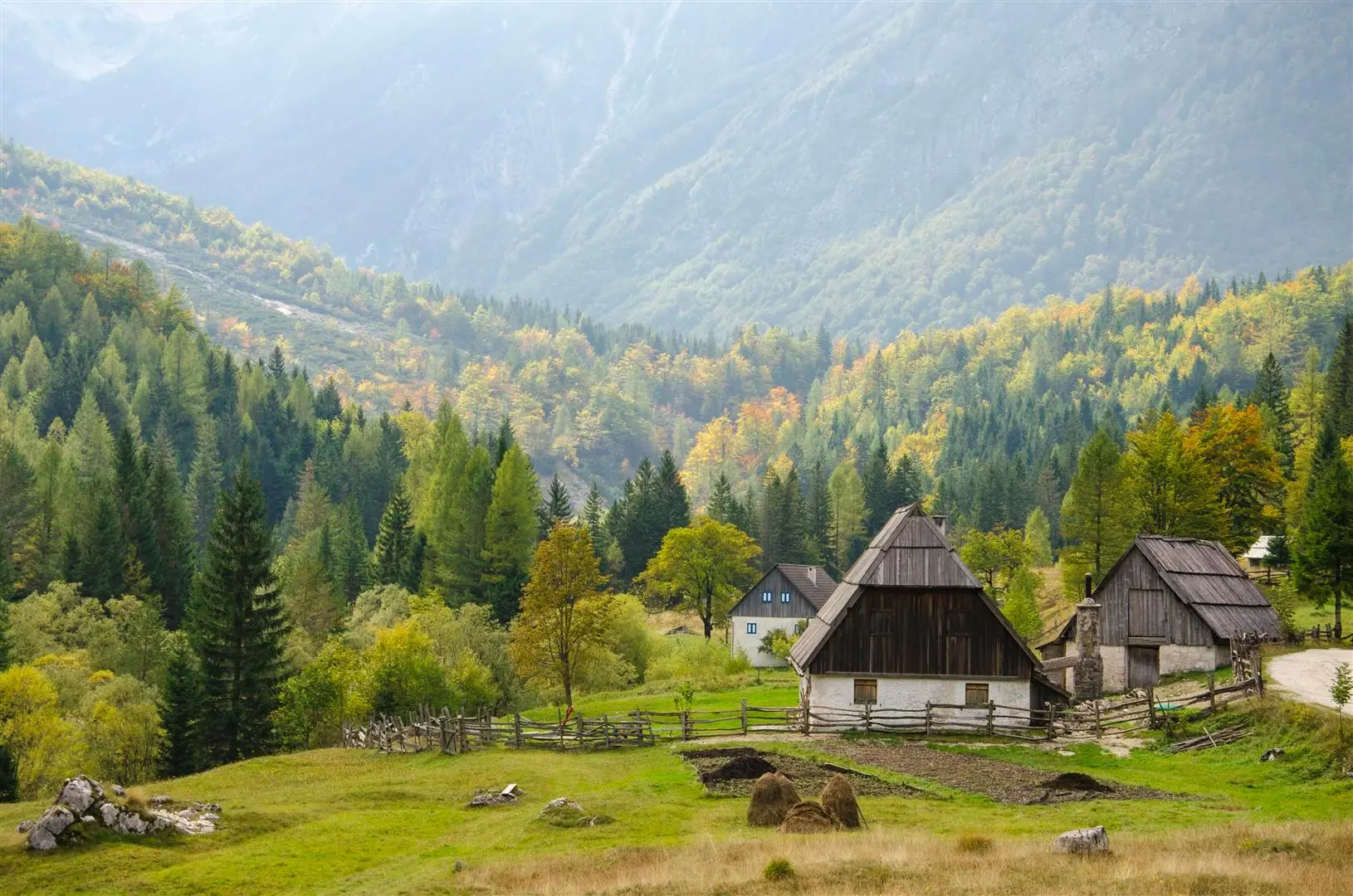
Zadnjica Valley, located near Trenta, is one of the quieter and more atmospheric valleys in the park. It is surrounded by dramatic mountain scenery and offers a peaceful starting point for hikes into the high alpine world of the Julian Alps.
This is a great place to visit if you are exploring the upper Soča Valley and want something more tranquil than the main river viewpoints. Even a short walk into the valley gives you a strong feeling of wilderness, with towering peaks, fresh mountain air, and fewer visitors.
Best for: hikers, photographers, mountain lovers, and travelers staying near Trenta or Bovec.

Pokljuka Mountain Pastures
The Pokljuka Plateau is known for its forests, quiet roads, mountain trails, and traditional alpine pastures. It is one of the best areas in Triglav National Park for slow exploration, especially if you want to see a softer, more pastoral side of the Julian Alps.
The mountain pastures around Pokljuka are dotted with wooden shepherd huts, open meadows, grazing animals, and peaceful walking paths. In summer, the landscape feels green and calm, while in winter it becomes a popular area for cross-country skiing and snowy forest walks.
Best for: easy hikes, traditional alpine scenery, photography, cycling, and peaceful nature escapes.
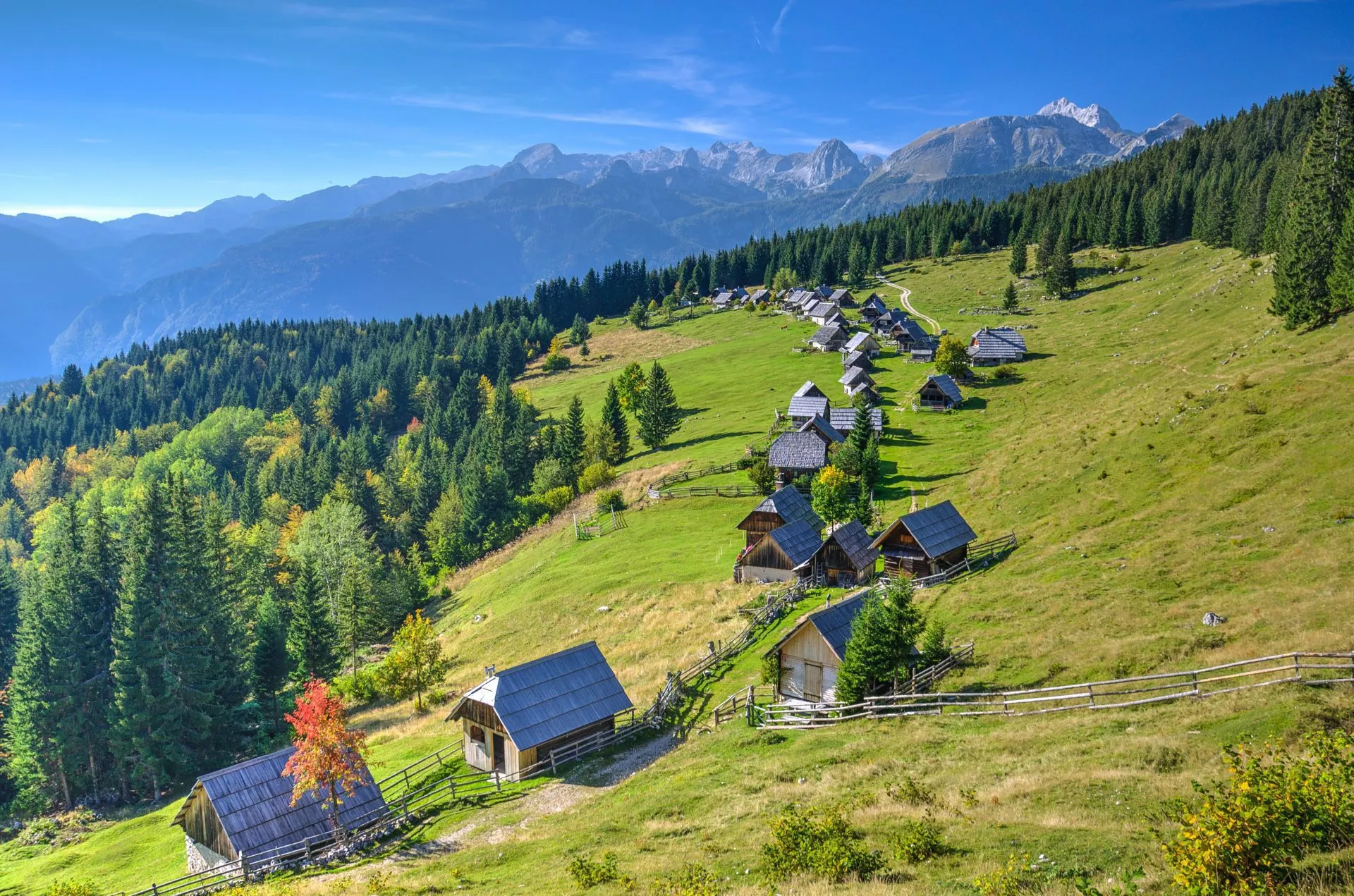
Planina Zajamniki
Planina Zajamniki is one of the most photogenic mountain pastures in Slovenia. It is famous for its long line of traditional wooden shepherd huts, with the Julian Alps rising in the background.
Although it has become more popular with photographers, it still feels quiet compared to major attractions like Lake Bled or Vintgar Gorge. The view is especially beautiful in the morning or late afternoon, when the light is softer and the wooden huts look even more atmospheric.
Best for: photography, scenic walks, mountain pasture views, and travelers looking for classic Slovenian alpine scenery.

Great Soča Gorge Early in the Morning
The Great Soča Gorge is not completely hidden, but visiting early in the morning makes it feel like a different place. Before the main crowds arrive, the turquoise water, narrow rock walls, and forest surroundings feel peaceful and almost untouched.
This is one of the best places to appreciate the famous color of the Soča River. The water is incredibly clear, and the contrast between the emerald river, white rocks, and green forest makes it one of the most beautiful natural scenes in Slovenia.
Best for: photography, peaceful river views, short walks, and travelers exploring the Soča Valley by car.
Local Tips for Visiting Triglav National Park
Respect the Park
Triglav National Park protects some of Slovenia’s most important natural and cultural landscapes. Stay on marked paths, take all rubbish with you, respect wildlife, and do not pick flowers or disturb animals.
Many areas are also home to grazing livestock, mountain huts, and traditional alpine pastures. Close gates behind you, keep dogs under control, and follow local signs. In this landscape, visitors are guests.
Do Not Underestimate the Mountains
The Julian Alps can feel calm and sunny in the morning, but conditions can change very quickly. Storms, fog, strong wind, and sudden temperature drops are possible even in summer.
Before any hike, check the weather forecast, choose a realistic route, and avoid high mountain trails if storms are expected. For demanding hikes, bring proper equipment and start early.
Start Early
Popular places such as Vintgar Gorge, Lake Bohinj, Vršič Pass, Savica Waterfall, and Soča River viewpoints are much more enjoyable early in the morning.
You will find easier parking, softer light for photography, cooler temperatures, and fewer crowds. This is especially important in July and August, when the busiest spots can feel crowded by late morning.
Use Proper Footwear
Even short walks in Triglav National Park can include rocks, roots, steps, mud, or slippery sections. Good walking shoes or hiking shoes are strongly recommended.
Avoid flip-flops or city sandals on gorge trails, waterfall paths, and mountain routes. Proper footwear makes the experience safer and much more comfortable.
Book Summer Accommodation Early
July and August are the busiest months in and around the park. Popular bases such as Lake Bohinj, Bled, Bovec, Kobarid, and Kranjska Gora can sell out quickly or become expensive.
For the best choice, book accommodation well in advance. June and September are excellent alternatives if you want good weather, better prices, and fewer people.
Do Not Swim Everywhere
Lake Bohinj is a popular swimming spot in summer, but rivers and gorges require more caution. The Soča River and other alpine rivers can be very cold, fast, and deeper than they look.
Only swim where it is safe and allowed. Avoid jumping into unknown pools, swimming near rapids, or entering water after heavy rain.
Bring Cash
Cards are widely accepted in Slovenia, but cash is still useful in remote areas. Some mountain huts, parking areas, small cafés, local farms, or shuttle services may prefer cash or have limited card connection.
Carry a small amount of euros for simple purchases, parking, snacks, drinks, and mountain hut meals.
Travel Slowly
Triglav National Park is not a place to rush through. The best memories often come from simple moments: sitting by Lake Bohinj, walking beside the Soča River, enjoying lunch at a mountain hut, or watching the evening light on the mountains.
Instead of trying to see everything in one day, choose one or two areas and enjoy them properly. Bohinj, Kranjska Gora, and the Soča Valley each deserve more time than most visitors expect.
FAQ About Triglav National Park
Yes. Triglav National Park is one of the most beautiful places in Slovenia and one of the best alpine destinations in Europe for hiking, lakes, waterfalls, scenic drives, and outdoor adventure.
You can see a few highlights in one day, but 3 to 5 days is much better. This gives you time to explore Lake Bohinj, Vršič Pass, the Soča Valley, waterfalls, gorges, and hiking trails without rushing.
Lake Bohinj is the best all-round nature base. Bled is best for first-time visitors and convenience. Kranjska Gora is best for mountain scenery and Vršič Pass. Bovec is best for adventure activities. Kobarid is best for food, history, and a quieter Soča Valley stay.
Yes, but you need to plan carefully. Bled, Bohinj, Kranjska Gora, Bovec, and some popular areas are connected by buses, trains, summer shuttles, and seasonal transport options. Public transport is easiest in summer.
There is no single general entrance gate for the entire national park, but some attractions, parking areas, cable cars, gorges, shuttle services, and guided activities have separate fees.
Lake Bohinj, the Soča Valley, Vršič Pass, Vrata Valley, and the Seven Lakes Valley are among the most beautiful places in the park. The best choice depends on whether you prefer lakes, rivers, mountain roads, waterfalls, or high alpine hiking.
Yes. There are many easy and moderate trails, including lake walks, gorge walks, waterfall hikes, and valley trails. However, high mountain routes require proper equipment and experience.
Yes. Climbing Mount Triglav is a serious alpine hike with exposed sections. It is best for experienced hikers or visitors with a licensed mountain guide.
The best hiking season is usually from June to September, with September often offering a good balance of stable weather and fewer crowds. Lower trails can be good in spring and autumn, but high mountain routes may have snow outside summer.
Lake Bohinj is one of the main gateways to Triglav National Park and one of the best places for visitors who want easy access to alpine scenery, hiking, swimming, waterfalls, and Vogel.
Yes, swimming is popular in Lake Bohinj and some safe natural swimming spots. Rivers such as the Soča can be very cold and fast, so only swim where it is safe.
Yes. Families can enjoy Lake Bohinj, Vogel cable car, Vintgar Gorge, easy waterfall walks, cycling routes, nature trails, and scenic drives. For young children, avoid demanding mountain hikes and exposed trails.
Triglav National Park is easy to enjoy, but it is still a protected alpine environment. A little planning makes your visit safer, smoother, and more respectful to nature and local communities.
Final Thoughts
Triglav National Park is the place where Slovenia feels at its most powerful and unforgettable. It combines everything that makes the country special: alpine peaks, emerald rivers, peaceful lakes, deep forests, mountain villages, outdoor adventure, and a strong respect for nature.
For first-time visitors, Lake Bohinj, Vršič Pass, Vintgar Gorge, Peričnik Waterfall, and the Soča Valley are perfect starting points. For returning travelers, the park offers endless deeper experiences, from quiet mountain pastures to hut-to-hut hikes and remote alpine valleys.
Whether you visit for one day or one week, Triglav National Park deserves a central place in your Slovenia itinerary.